


Table of Contents
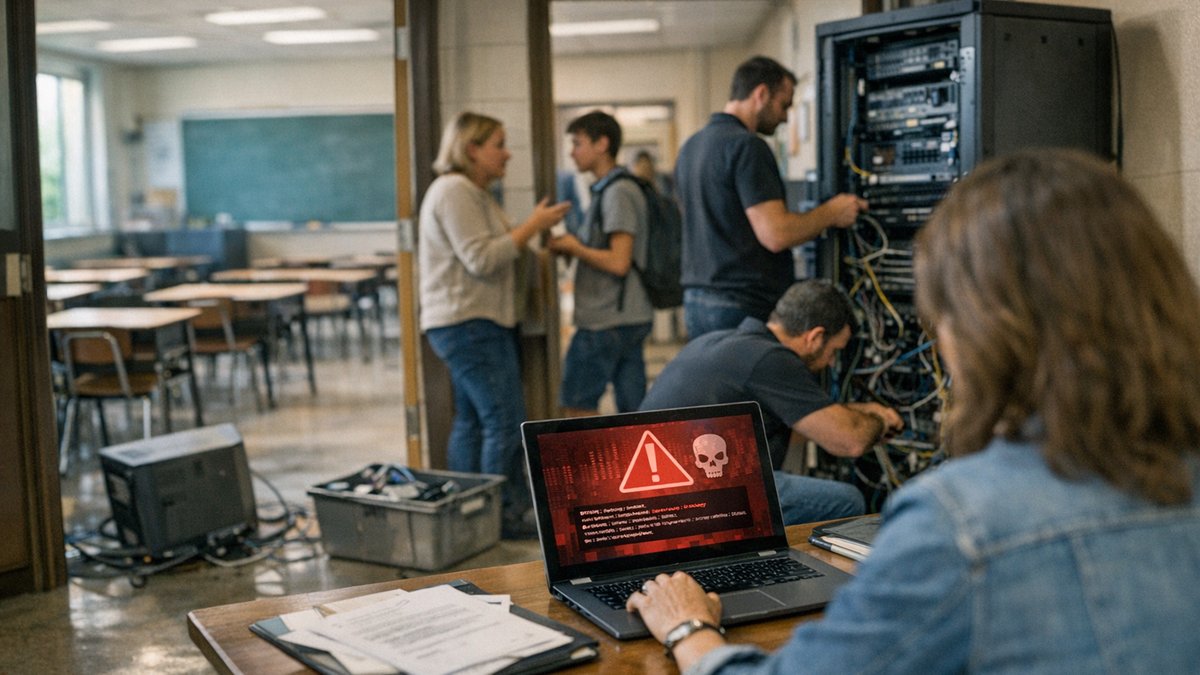
As the start of the school year approaches, several French academies are still reeling from a devastating cyberattack. This attack has paralyzed access to digital work environments and messaging systems, notably in Toulouse and Nantes, creating a complex situation for teachers, students, and their families.
The essentials to remember
Imagine yourself, a parent or student, on the eve of the school year, desperately trying to access the online schedule before realizing that the site is inaccessible. The schools in Toulouse and Nantes are experiencing this reality, forced to revert to traditional methods to distribute crucial information. The allure of technology has given way to digital vulnerability, highlighting the importance of robust cybersecurity in our increasingly connected society.
The academies of Toulouse and Nantes are still facing difficulties accessing their digital systems. In Toulouse, education professionals are working without email and without access to applications, complicating the preparation for the school year. Families cannot access digital work environments, forcing them to accept printed schedules.
In Nantes, the situation is slightly different with partial access to messaging depending on the device used. However, services remain largely inaccessible, and teams are striving to restore security before the start of the school year. In the meantime, the paper option is being considered to ensure a minimum of educational continuity.
To address this crisis, the Ministry of National Education has undertaken a complete reset of usernames and passwords, thus ensuring the security of the systems without causing further damage. This strategic decision has allowed 28 of the 30 academies to return to normal operation, but it highlights the fragility of the public digital infrastructure.
Minister Édouard Geffray expressed his gratitude to the education staff for their unwavering mobilization during this difficult period. Coordination with the National Agency for Information System Security (ANSSI) was essential to manage this crisis situation.
This cyberattack is not an isolated case. Other public institutions such as the General Directorate of Public Finances (DGFiP) and the National Agency for Secure Documents (ANTS) have also been targeted. The compromise of the tax data of 678,000 taxpayers by the ZeroBytes group has highlighted the flaws in existing security systems. The persistent threats underscore the urgent need to modernize public technological infrastructures, often outdated and vulnerable.
The digital debt accumulated by French public institutions results from aging information systems, often lacking basic security measures such as multi-factor authentication. This situation complicates the protection of citizens’ sensitive data. The challenge for authorities is to bridge this technological gap while managing limited resources.
Experts such as Guillaume Poupard, former Director General of ANSSI, have often emphasized the importance of increased investments to strengthen national cybersecurity. As attacks multiply, the issue of personal data protection becomes increasingly pressing. Administrations must adopt innovative solutions to secure their systems and restore public trust.
How did the cyberattack affect the French academies?
The cyberattack paralyzed the digital systems of the academies of Toulouse and Nantes, limiting access to digital work environments and messaging systems, and forcing institutions to resort to traditional methods to manage the start of the school year.
What measures did the Ministry of National Education take?
The ministry reset all usernames and passwords to secure access to educational services, allowing 28 academies to operate normally. This approach avoided further damage to the systems.
Why is the cybersecurity of French public institutions concerning?
The information systems of public institutions are often old and vulnerable, making them susceptible to cyberattacks. The lack of resources to modernize infrastructures and adopt advanced security measures such as multi-factor authentication exacerbates the situation.
What are the prospects for improving cybersecurity in France?
Increased investments in the modernization of public technological systems and the adoption of new security technologies are essential. Collaboration between institutions and cybersecurity experts can also help strengthen resilience against digital threats.