


Table of Contents
Faced with a growing demand for AI and severe land and energy constraints, Japan is innovating by transforming ships into floating data centers. This bold project, led by Mitsui OSK Lines and Hitachi, could redefine the global digital infrastructure. Discover how this revolutionary concept could change the technological landscape as early as 2027.
Key takeaways
Japan, a nation known for its innovative approach to industrial reuse, is tackling its economic and environmental challenges by turning constraints into opportunities. With exorbitant land prices around Tokyo and Osaka, and electrical connection waiting times that can reach a decade, the idea of ships converted into data centers is becoming increasingly attractive. In Tokyo, some plots with electrical connections are negotiated at 770% above official prices, making the solution of floating data centers all the more relevant.
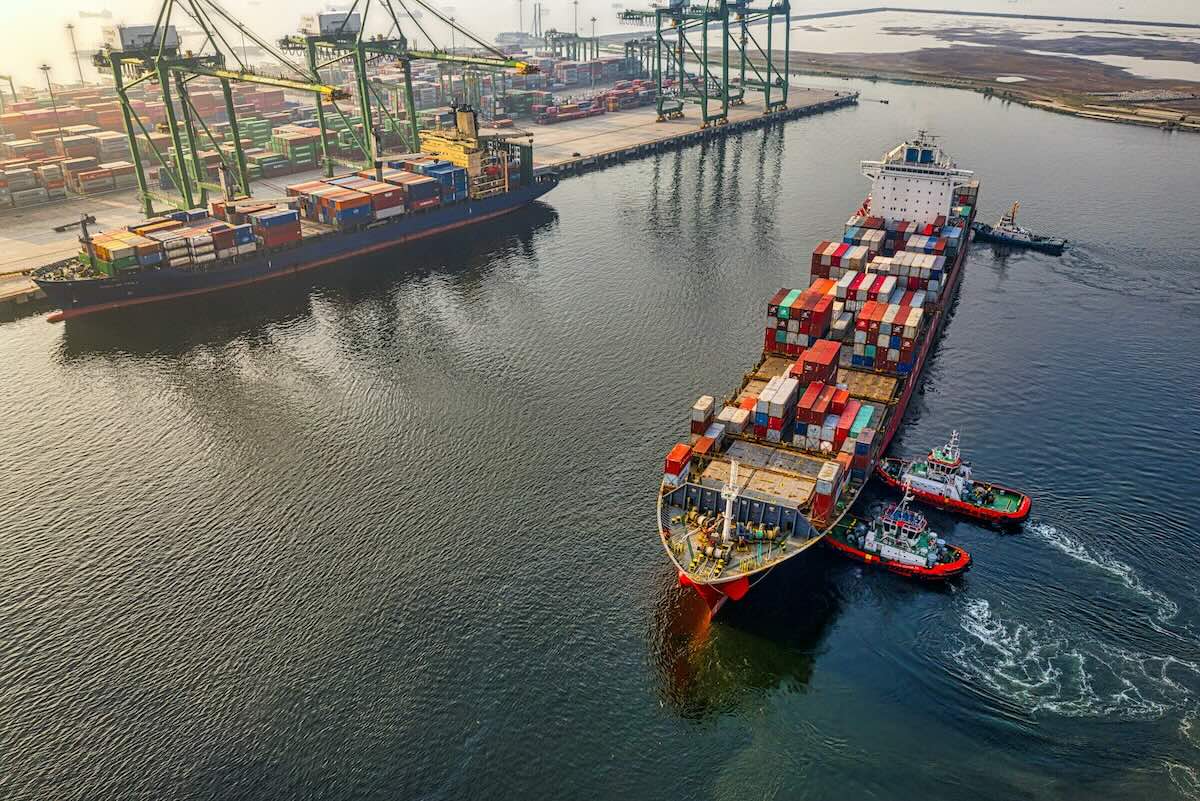
The conversion of a ship into a data center offers many advantages. Primarily, it provides a considerable time saving: it takes about a year to transform a ship, compared to three years to build a land-based data center. Moreover, these ships can exploit seawater or river water for cooling, thus reducing dependence on freshwater, a precious and rare resource in Japan.
Mitsui OSK Lines will reuse systems already present on the ships, such as air conditioning and generators, to minimize costs and maximize efficiency. The vast interior decks of car carriers, with about 54,000 m² of usable space, rival in size with the largest land-based data centers in the country.
Despite the promises of this initiative, it is not without challenges. Salt corrosion poses a threat to filtration and heat exchange systems, requiring robust solutions. Additionally, the electrical supply of a ship at dock remains complex, and Japan still needs to prove the long-term viability of these floating data centers.
However, the collaboration between Mitsui OSK Lines, responsible for naval conversion and maintenance, and Hitachi, which designs the IT infrastructure, is a first step towards resolving these difficulties. Hitachi’s experience in managing data centers in Japan, Malaysia, and the United States is a considerable asset for this project.
When discussing innovations in the field of data centers, it is interesting to mention underwater data centers, a concept explored by Microsoft with its Natick project. This project has proven that submerged data centers can be reliable and energy-efficient. Although this concept has not yet led to large-scale industrial adoption, it represents another potential avenue to overcome digital infrastructure challenges, especially in areas where ambient temperature can be a limiting factor.